copyright: Hannibal / VDE
2025-11-05

MikroSystemTechnik Kongress 2025

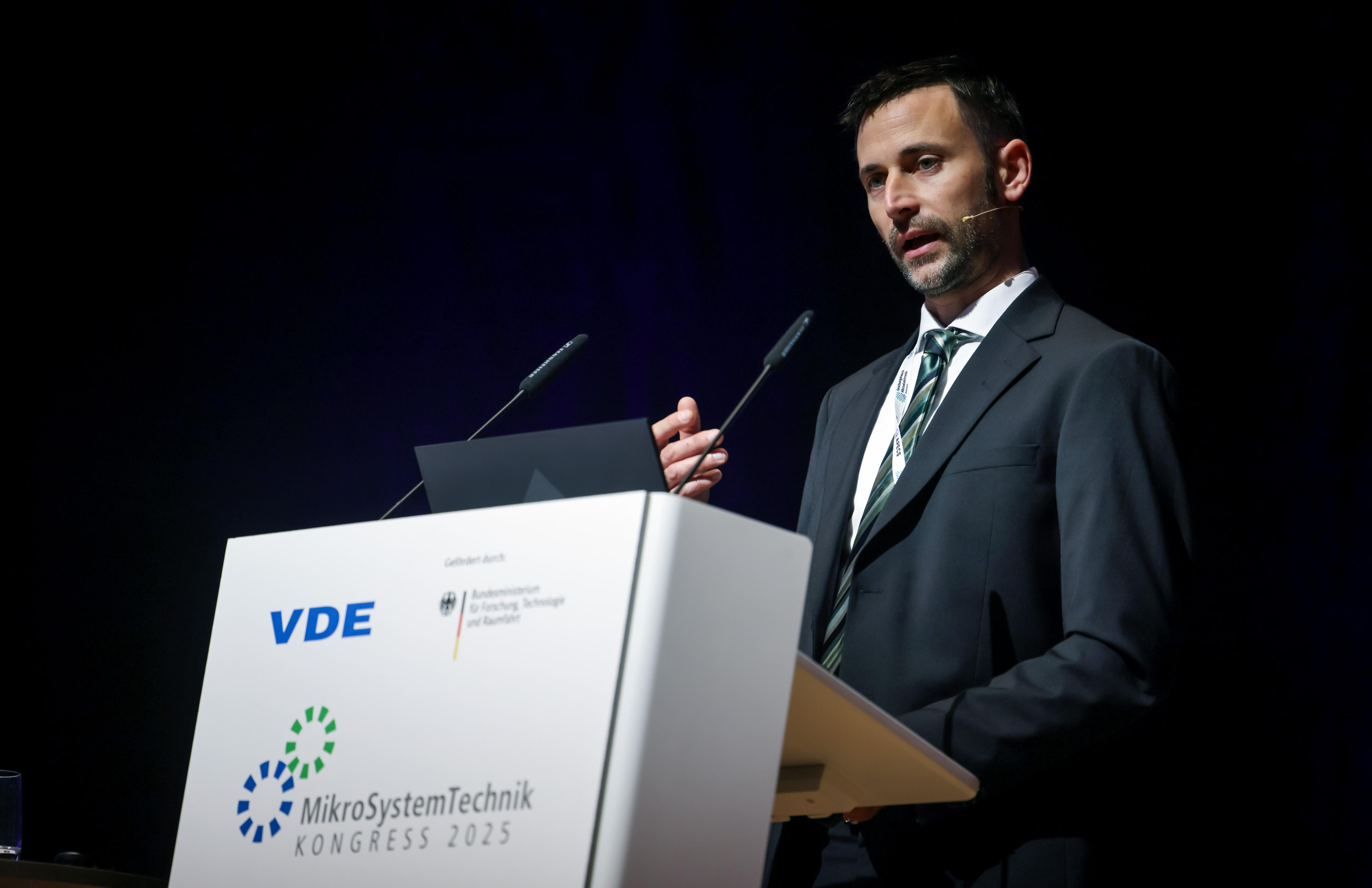
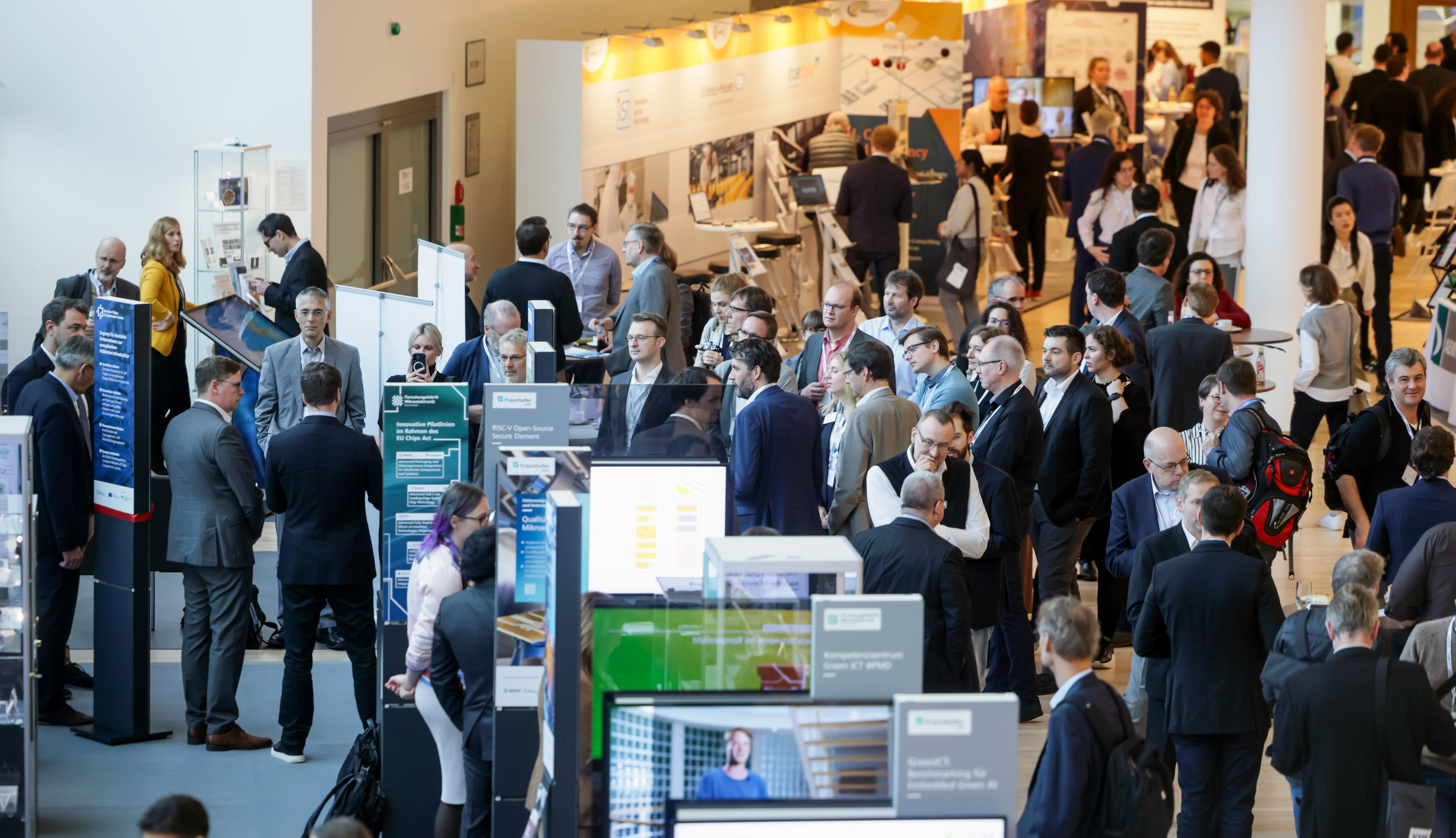
Around 500 participants from the fields of politics, business, and academia attended the 11th MicroSystem Technology Congress in late October 2025. Under the motto “Change Through Progress,” they discussed current developments and future prospects in microelectronics and microsystems technology. The conference was chaired by Prof. Dr. Anton Grabmaier (Fraunhofer IMS and the University of Duisburg-Essen) and Prof. Dr.-Ing. Martin Hoffmann (Ruhr University Bochum). They were supported by Co-Chair Dr. Attila Michael Bilgic, Board Spokesperson for the KROHNE Group. Below you will find a report by Prof. Martin Hoffmann.

Looking back: The Congress 2025

Flashback: Highlights from the Conference in Video
Click on the right to play the video.
Impulse zur Rolle der Mikroelektronik in globalen Lieferketten

  • Impulses for the role of microelectronics in global supply chains
  • Discussions on bringing research to market-ready products
  • Initiatives such as Chip-Design Germany and skills4chips to strengthen the workforce
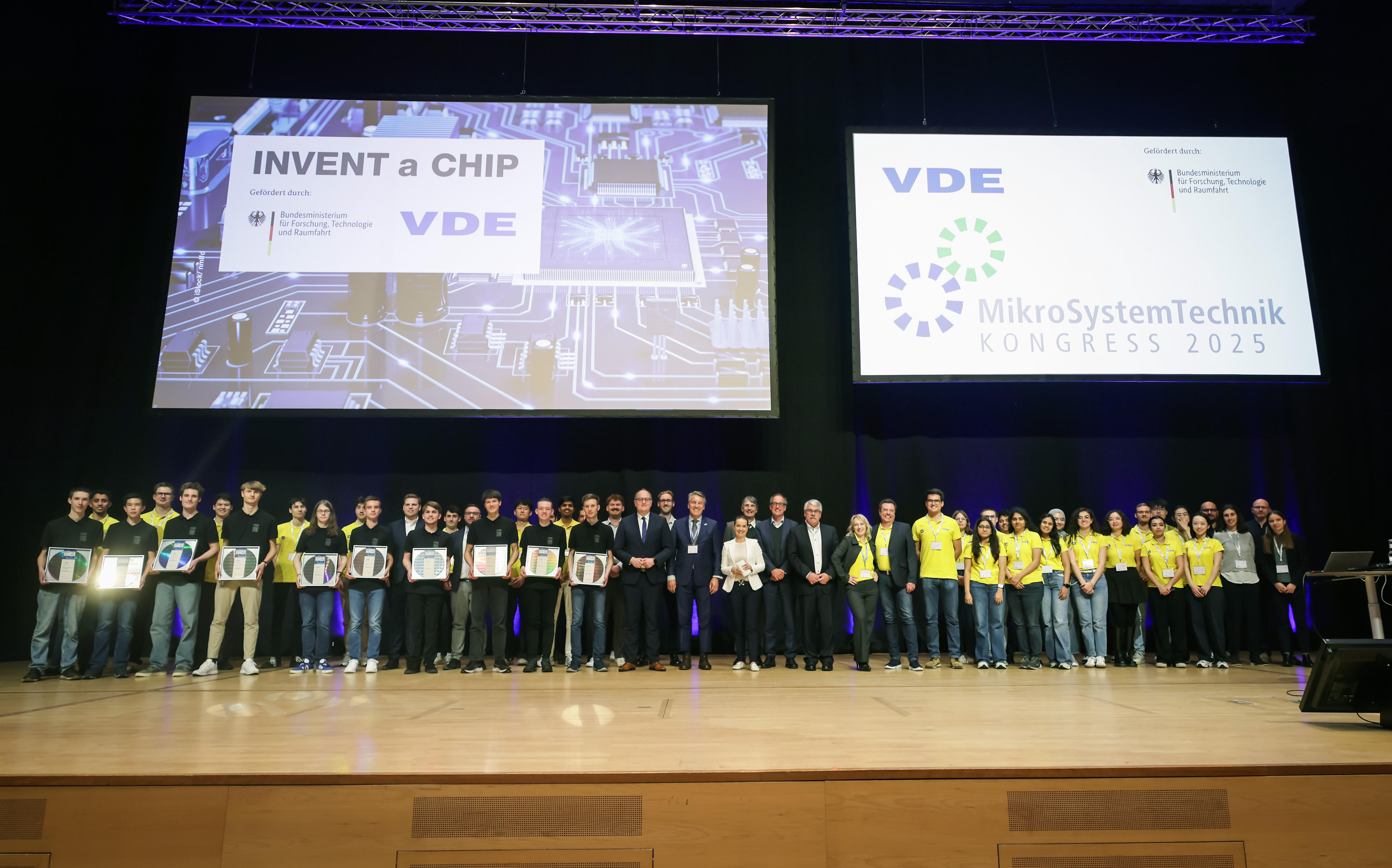
  • The INVENT a CHIP competition for high school students and the COSIMA competition for college students

The conference offers a platform for exchange and inspiration - from young talents to experienced experts. The message: Microelectronics is the key to technological transformation.

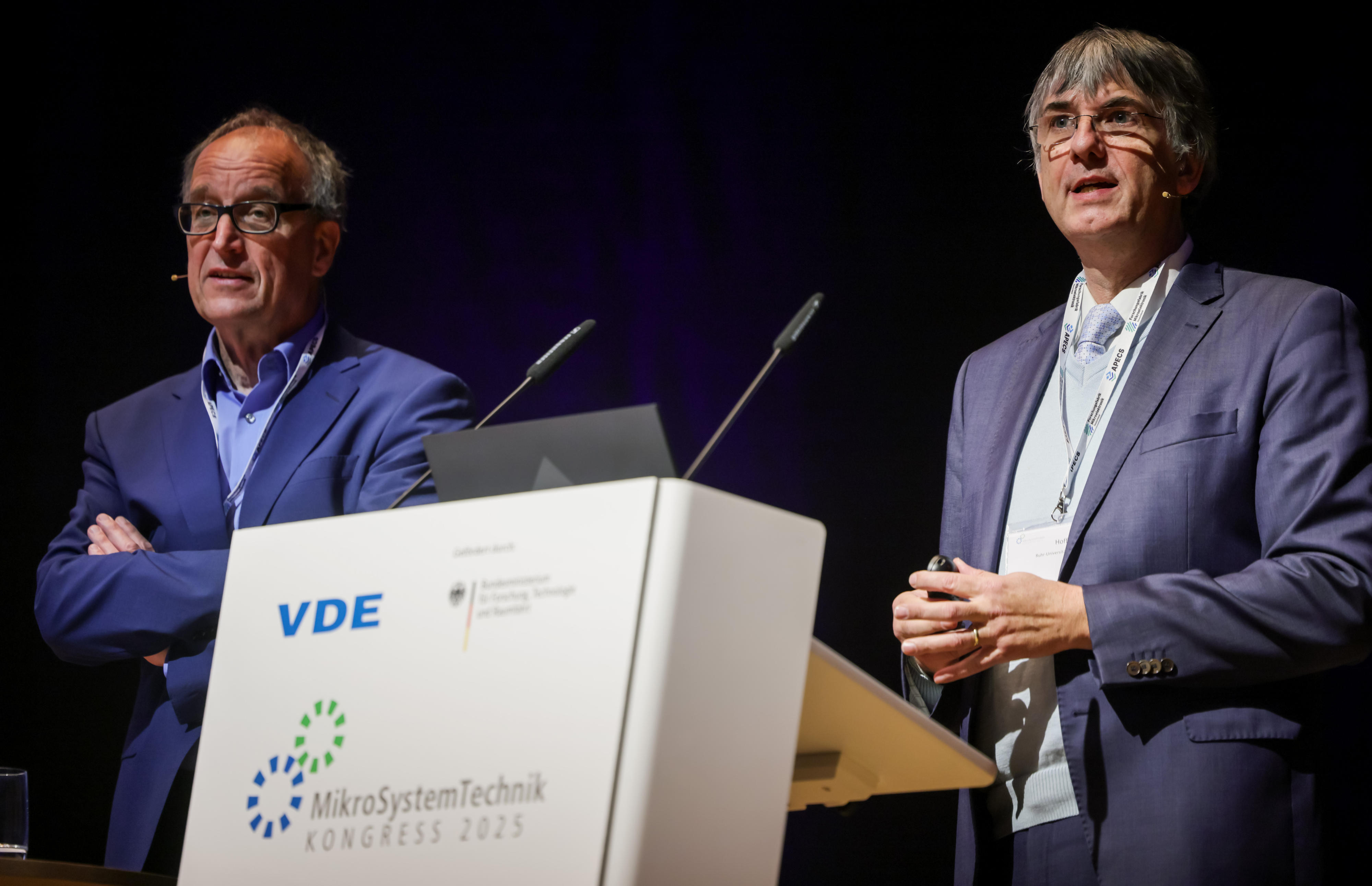
Chairmen Prof. Dr. Martin Hoffmann, RUB und Prof. Dr. Anton Grabmaier, Fraunhofer IMS

| Hannibal / VDE

The Ruhr Metropolis - Shaped by a Constant Change  

The host region, the Ruhr Metropolis, with its approximately five million residents, is characterized by a constant change: It developed from a predominantly rural agricultural region into a coal and steel stronghold and is today a major hub for services and high-tech industries. Technological progress has always been the driving force behind this transformation; “old” technologies were replaced by new ones, and leading figures from industry and Business - People - repeatedly provided new inspiration. With the first major coal crisis in the late 1950s, science made its way into the region through the founding of universities in Duisburg and Essen (UDE), Bochum (RUB), and Dortmund, accompanied by other colleges and non-university research institutions.

The evening event offered guests an impressive journey into the region’s industrial past: In the "Gebläsehall" of the former Thyssen blast furnace plant - now part of Landschaftspark Nord - lively discussions continued amid the machinery from a bygone era. Duisburg Mayor Sören Link also emphasized the continuous transformation shaping the region in his welcoming remarks.

Gebläsehalle im Landschaftspark Duisburg

| VDE e.V.

The advancing electrification of society contrasts with the loss of stable, foundational industries 

The conference takes place at a time when the broad “electrification of society” is advancing more rapidly and intensively than ever before, yet the challenges that come with it are becoming all the more apparent.

Widespread digitalization and the emergence of artificial intelligence, autonomous and electric mobility, and the energy transition are transforming society and challenging politics and industry. At the same time, many certainties that were long considered reliable—and which were seen as a secure foundation just a few years ago - are now beginning to waver.

The growing reliance on microelectronics and microsystems technology components across all sectors of the economy is coming up against uncertain, rapidly changing supply chains and calls for new solutions. At the same time, however, many people are unaware of the extent to which microelectronics and microsystems technology enable and shape developments in the economy and society.

Im Chat: Prof. Anton Grabmaier, Fraunhofer IMS;
Alf Henryk Wulf, VDE; Matthias Hauer, BMFTR;
Dr. Martin Hieber, VDE

| Hannibal / VDE

Microelectronics - one of the Key Technologies in the German Federal Government’s high-tech agenda  

These developments - some of which are contradictory - were addressed in various overview presentations by representatives from industry and politics, as they form the context in which the technology sector operates. Not only for this reason is microelectronics one of the key technologies in the German federal government’s high-tech agenda, which was presented in Berlin in late October in parallel with the conference. As was emphasized on several occasions, there are close connections between “artificial intelligence” - which places new demands on microelectronics - and “quantum technology,” linking them to two other of the six key technologies.

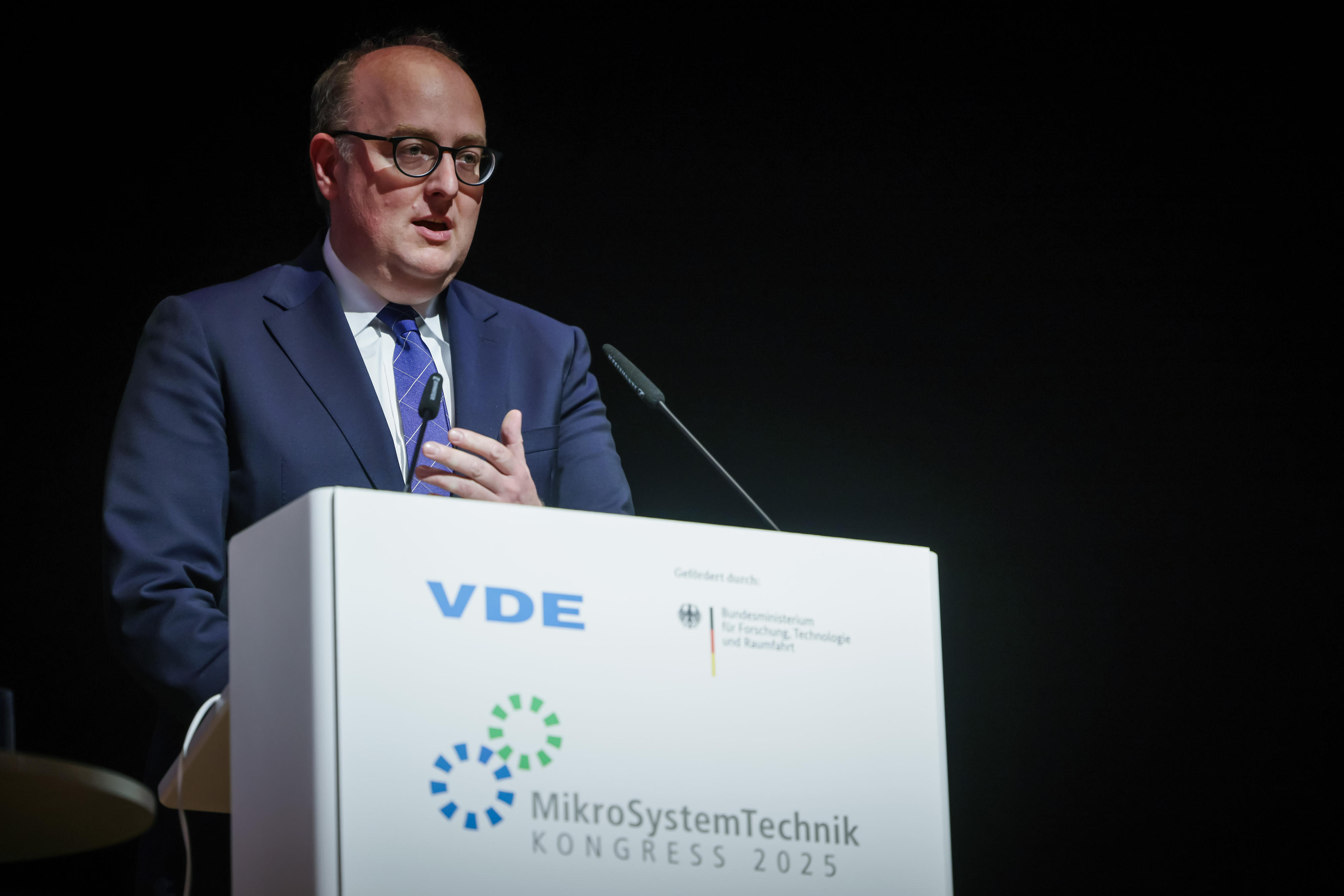
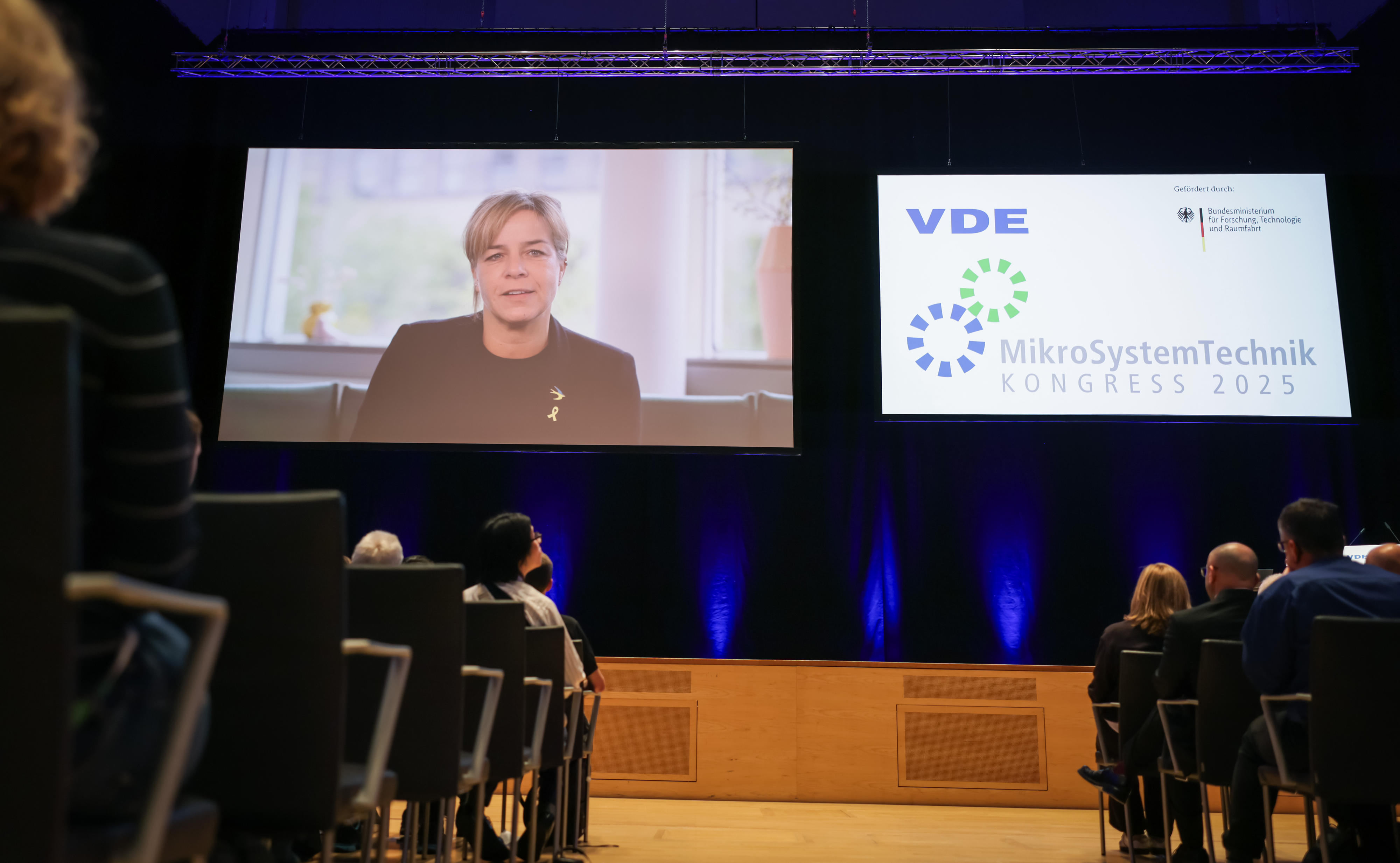
Both Matthias Hauer, Parliamentary State Secretary to the Federal Minister for Research, Technology, and Space (BMFTR), and Mona Neubaur, Minister for Economic Affairs, Industry, Climate Protection, and Energy and Vice Minister-President of the State of North Rhine-Westphalia - who addressed the participants via video message - emphasized the strategic importance of microelectronics and microsystems technology for the future viability of Germany and Europe.

Dr. Roland Krüppel, Deputy Head of the “Microelectronics, Supercomputing, Robotics” Division at the BMFTR, also emphasized the high priority of these technologies on the political agenda and their importance for technological sovereignty, economic strength, and social progress.

From Lab to Fab

A key focus is the rapid implementation of research findings into marketable products - in short, “From Lab to Fab.” Here, the scientific community in particular is called upon to act - among others, in collaboration with the Research Factory for Microelectronics Germany - and to serve as a bridge between research and industry in order to develop efficient pathways for technology and knowledge transfer. In addition to technological Expertise - which is also concentrated in the “Microelectronics Research Laboratories” (ForLab) - the growing need for engineering and design expertise in microelectronics was pointed out. Initiatives such as “Chip-Design Germany” are intended to systematically expand training in this area and provide industry with a strong pool of skilled workers and development resources.

Developing the Next Generation of Skilled Workers as an Integral Part of the Strategy

In all of the overview presentations, the need for skilled workers - people with ideas - played a central role. Accordingly, the BMFTR has given significant attention to attracting skilled workers within its microelectronics strategy and has launched various initiatives that explicitly advance this topic and foster networking among the key players involved, such as the “skills4chips” initiative.

Demographic change and the years-long declining numbers of students in microsystems technology and microelectronics coincide with a high demand for engineers who, on the one hand, will replace the retiring baby boomer generation and, on the other hand, will drive the transformation of key areas in business and science. Events for the next generation of engineers are therefore part of the conference.

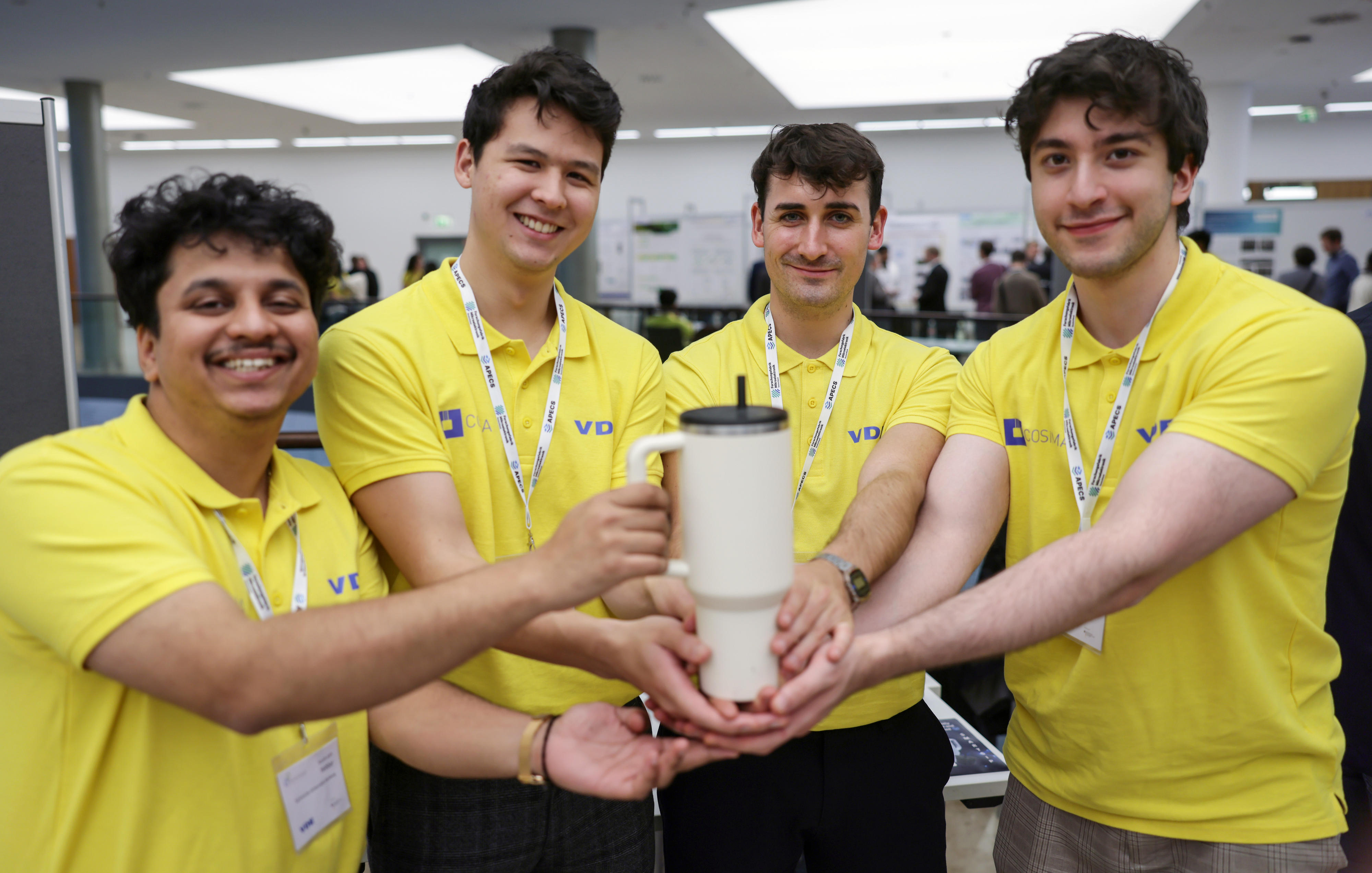
COSIMA Wettbewerb 2025: Gewinnerteam EPIONE

| Hannibal / VDE

INVENT a CHIP and COSIMA Competition

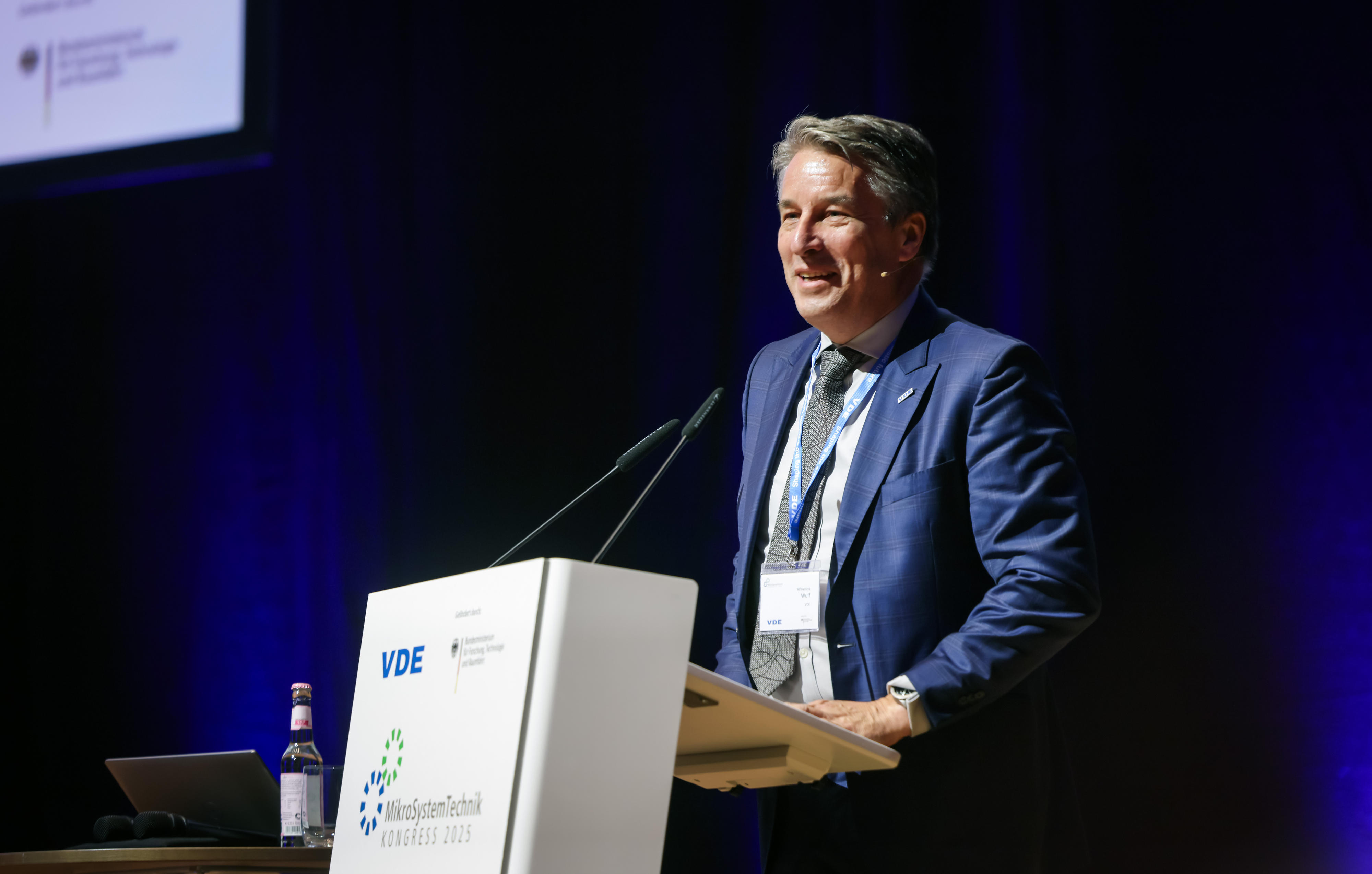
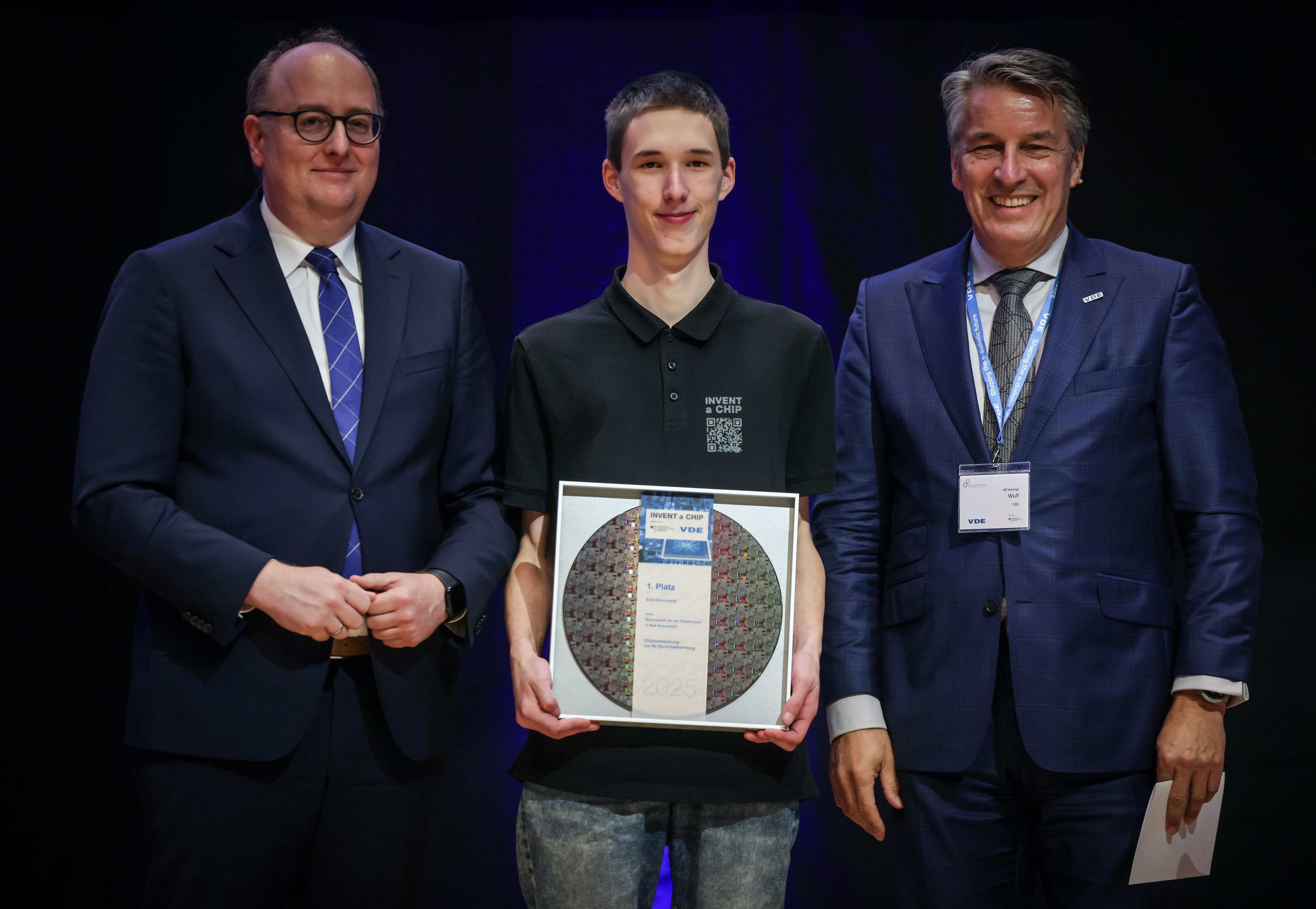
At the MikroSystemTechnik Kongress, the ten winners of the INVENT a CHIP student competition are traditionally honored; in 2025, the awards were presented by VDE President Henryk Wulf and Parliamentary State Secretary Matthias Hauer. It is encouraging that more than 1,100 students participated in the competition this year—about ten percent more than in 2023. 

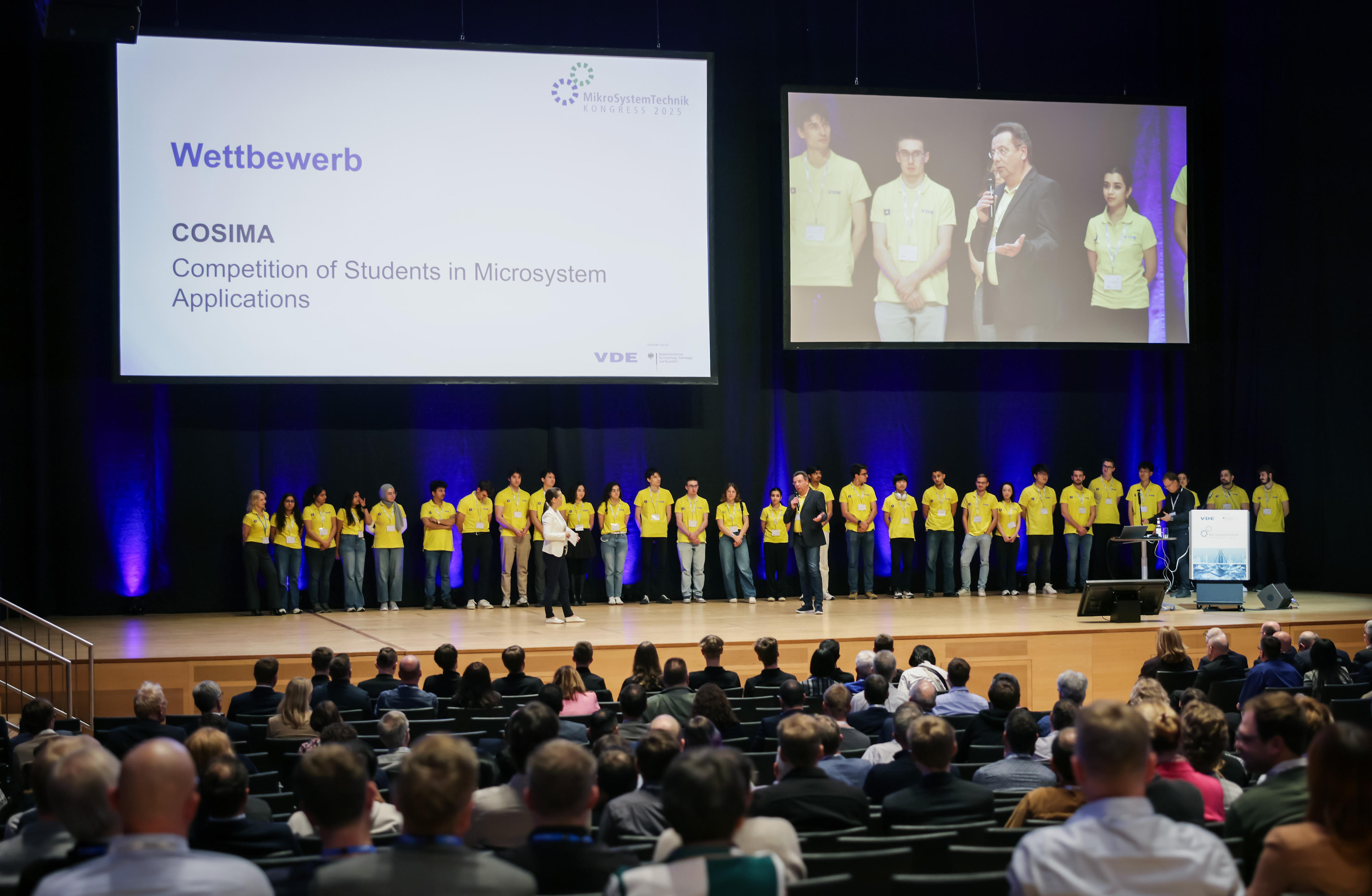
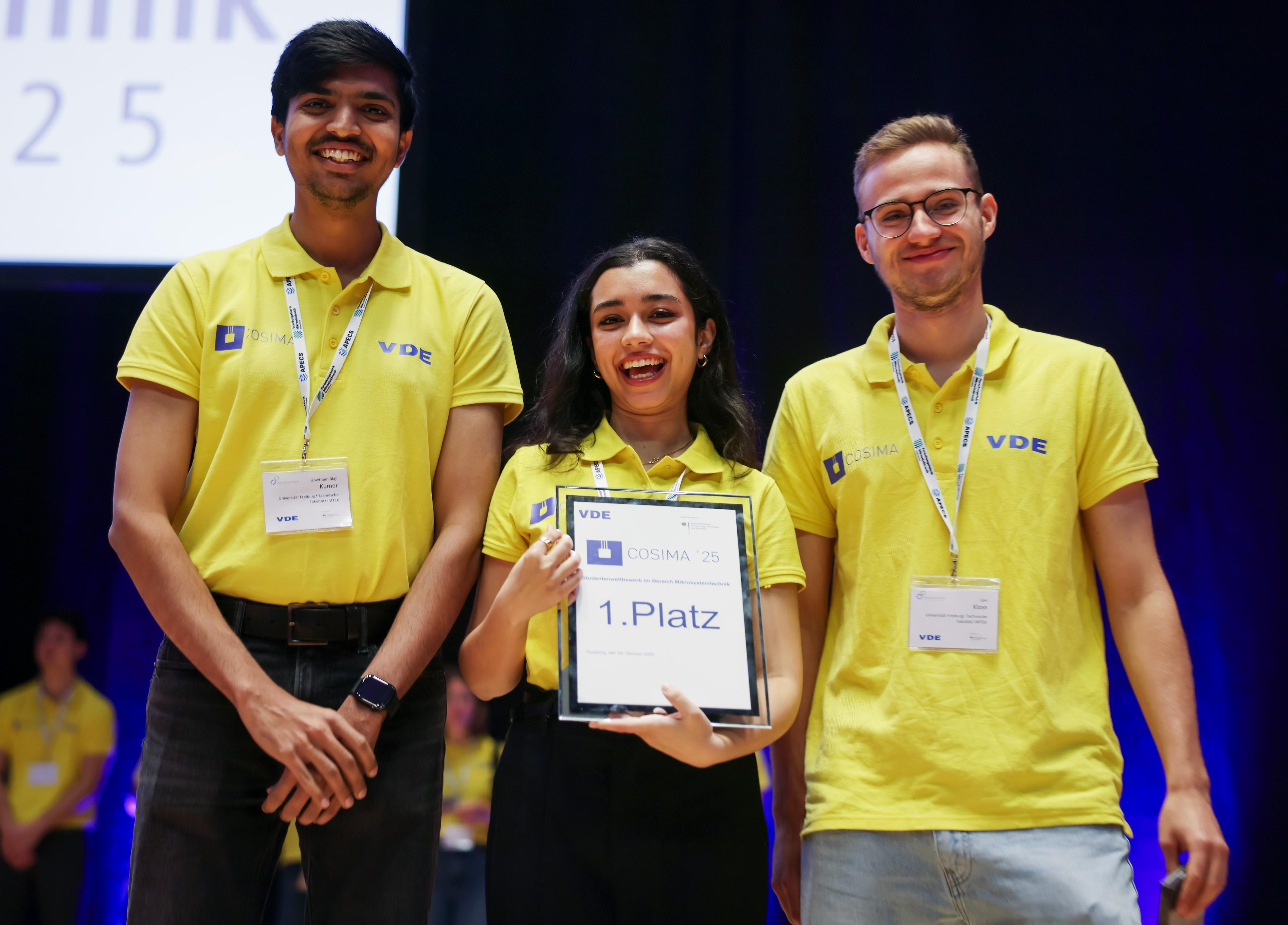
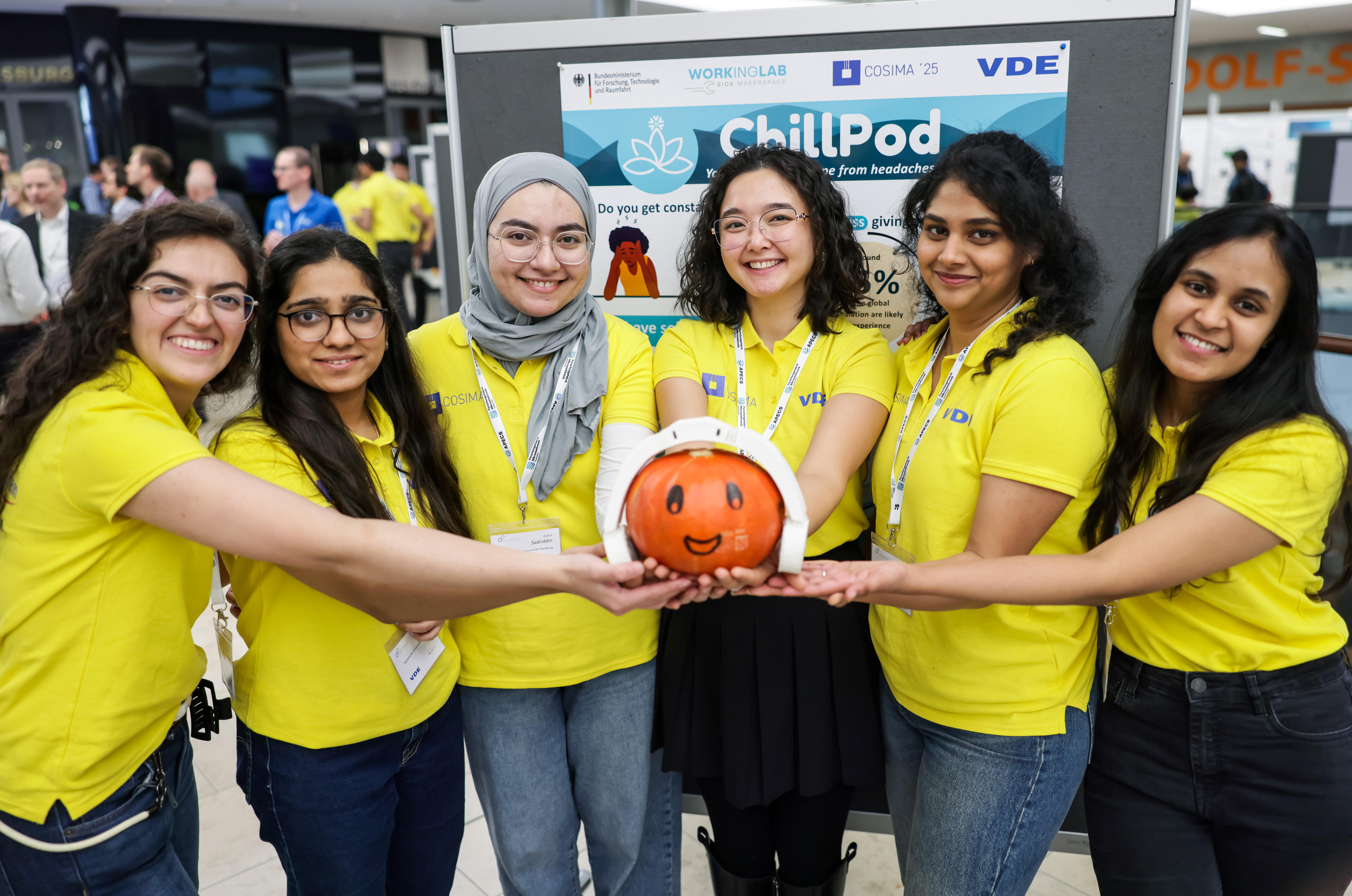
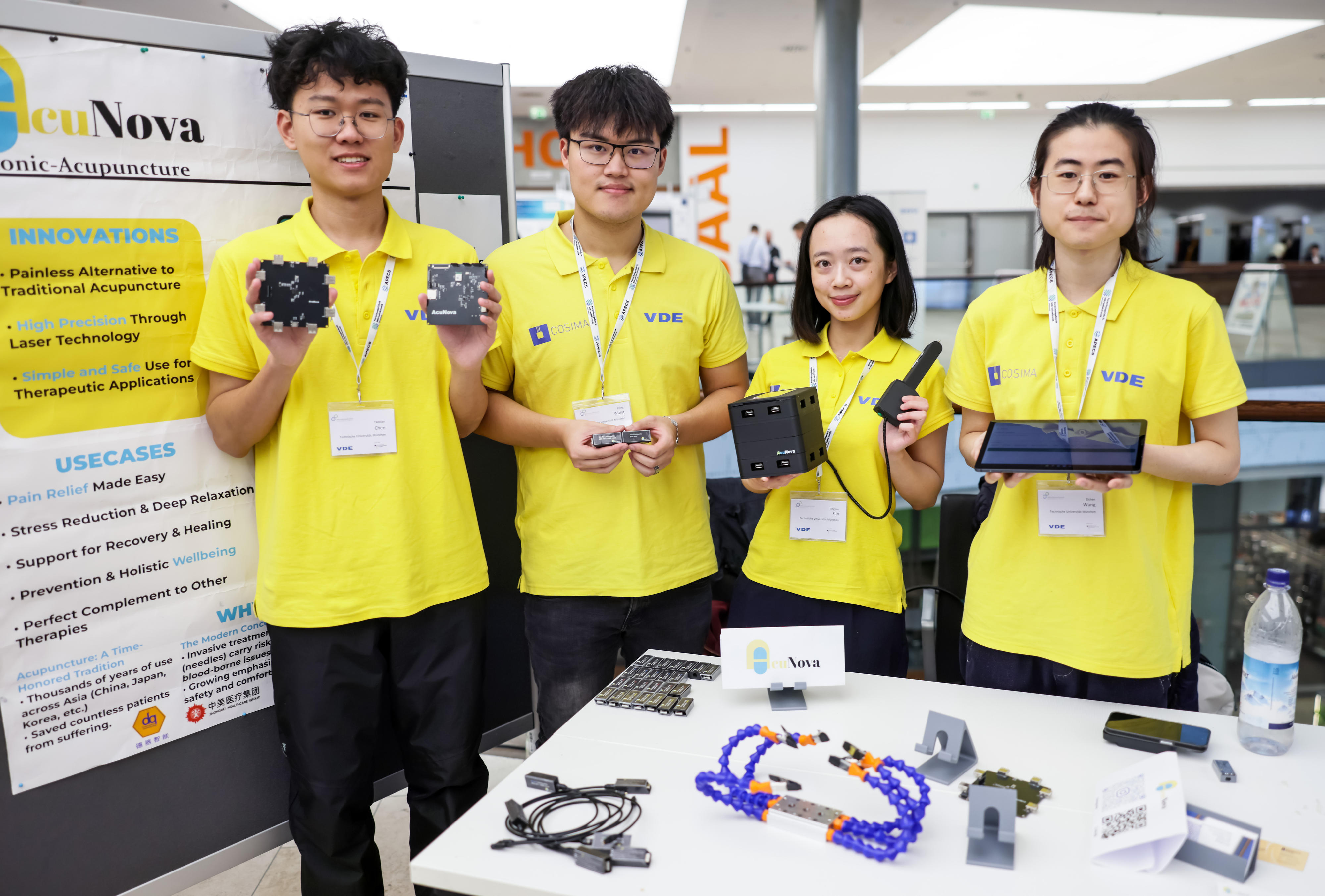
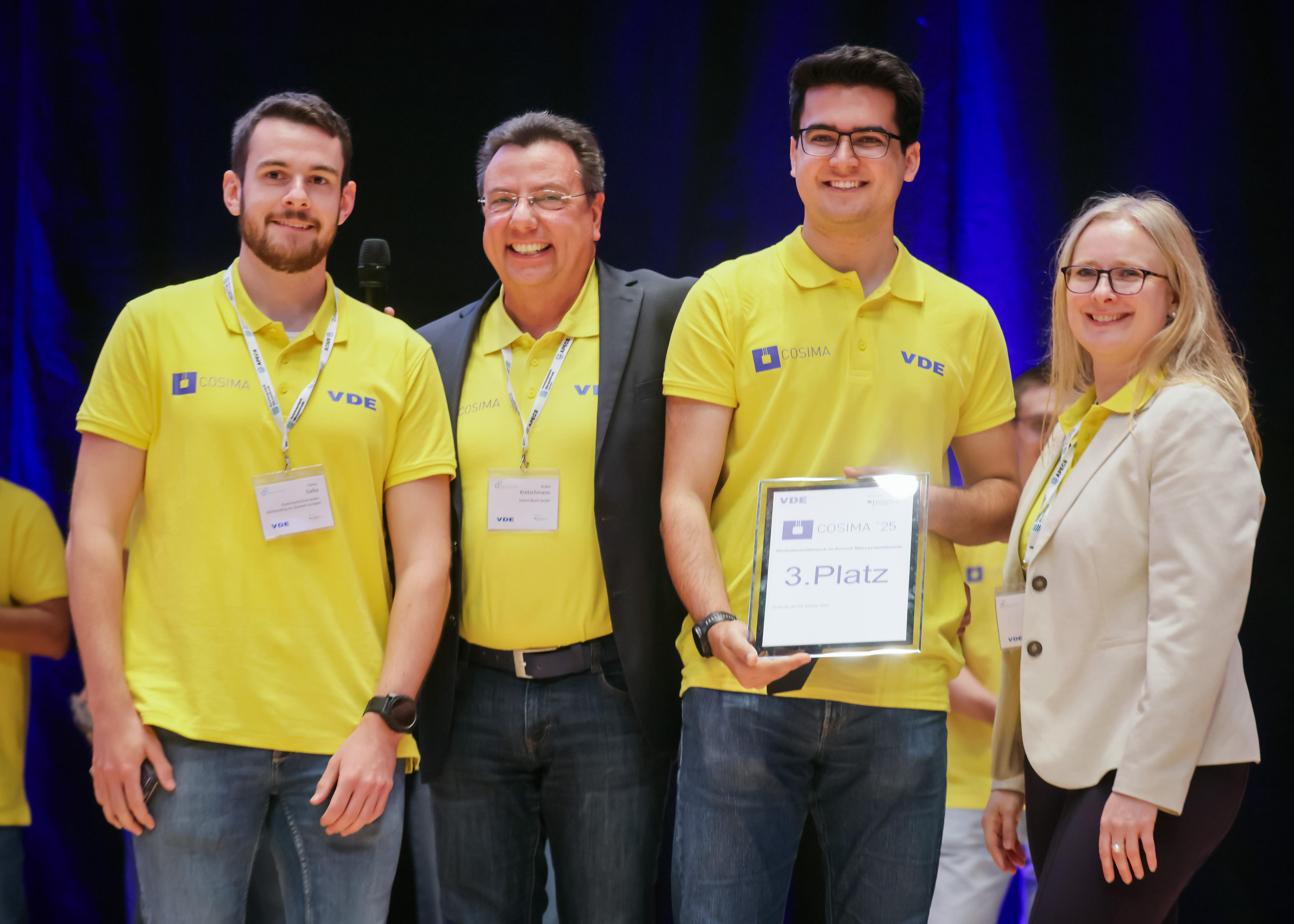
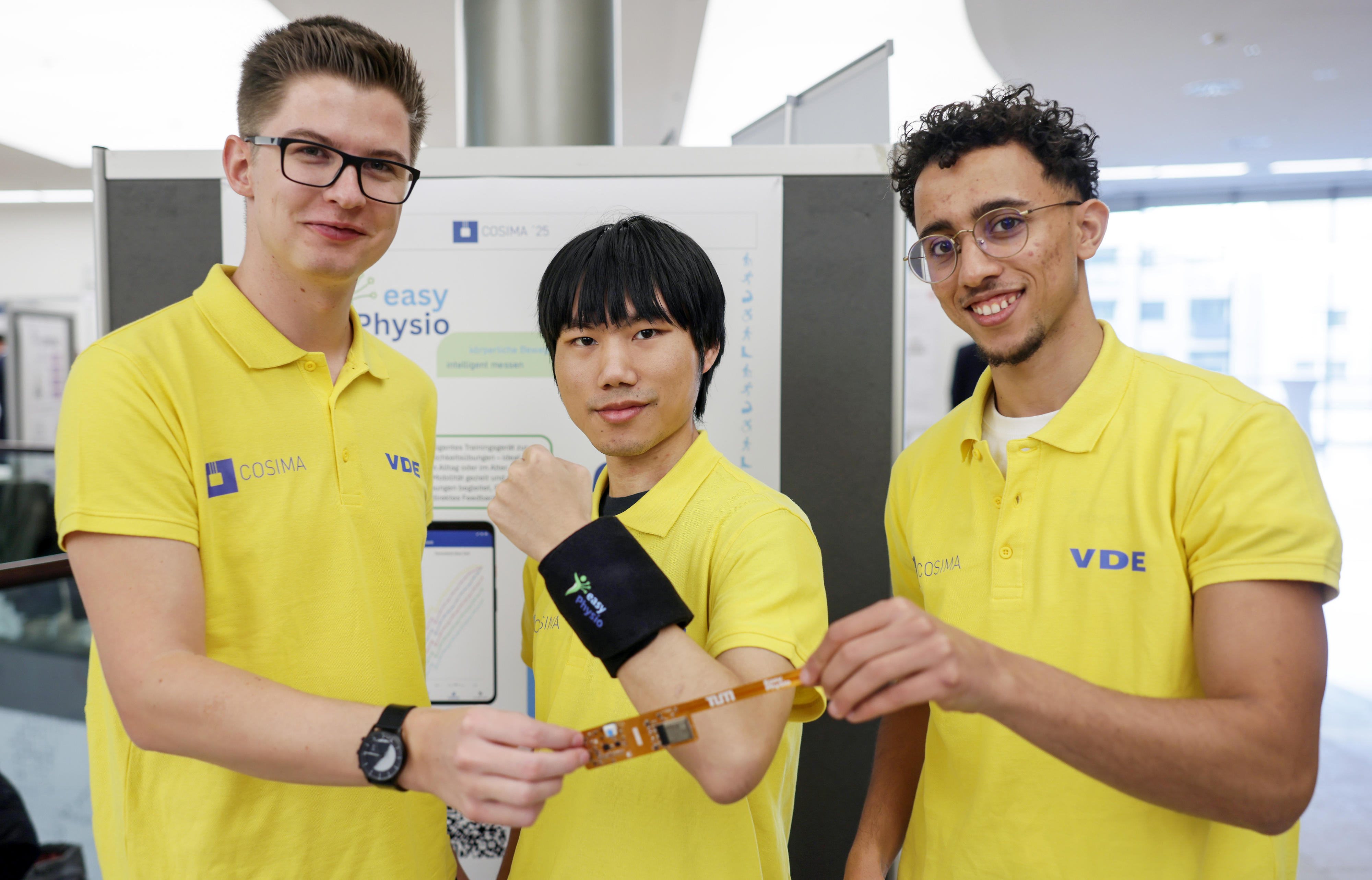
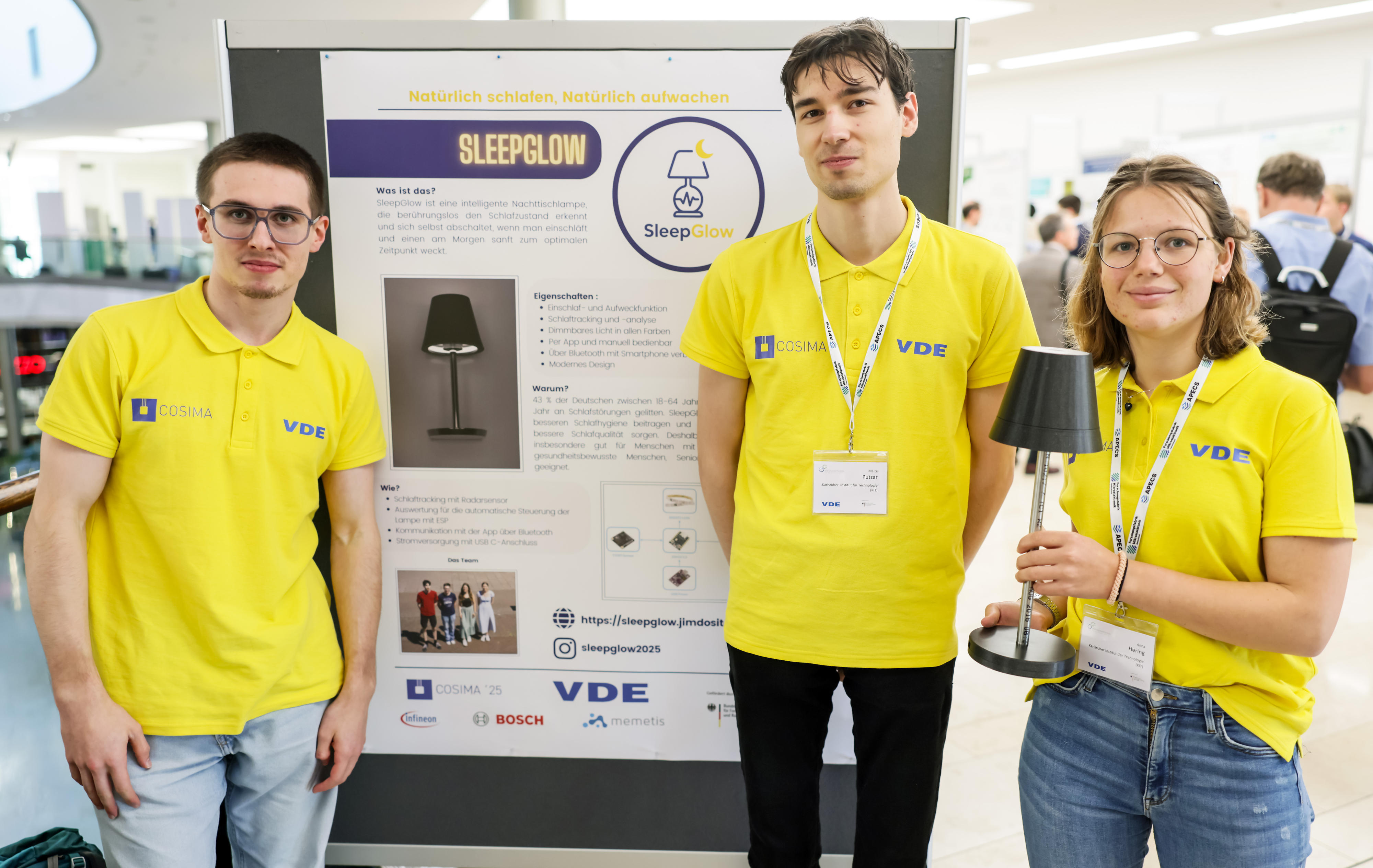
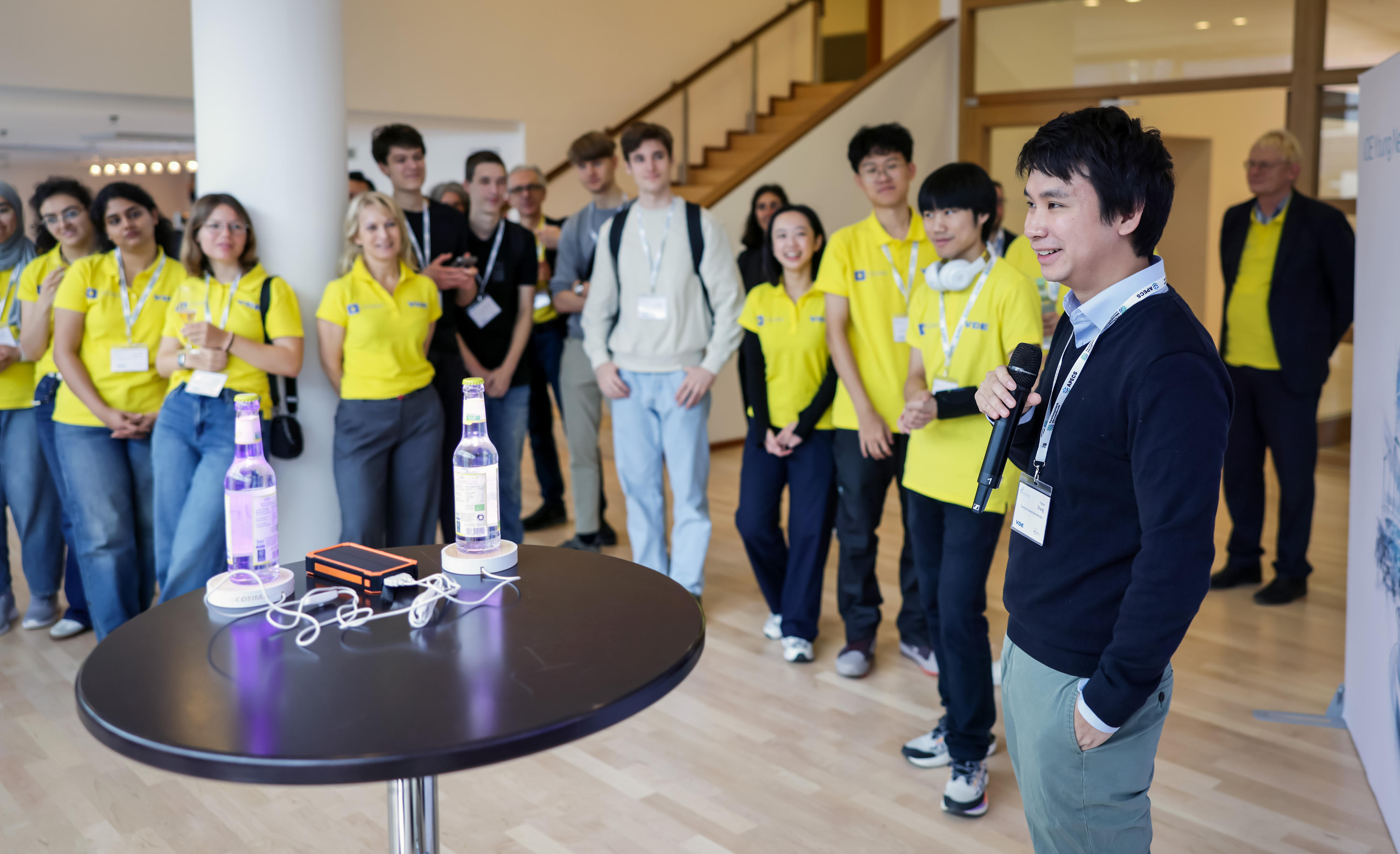
The teams of the 15th COSIMA Competition (“Competition of Students in Microsystems Applications”), a nationwide student competition organized by the VDE, presented the results of their projects in the form of functional prototypes. The goal of COSIMA is to promote creative ideas for applications in microsystems technology and to support their prototyping. Since the beginning of the year, eight teams had developed innovative concepts, built functional demonstrators which they presented to the jury at the day of the competition. The three best projects were honored at a ceremony on Wednesday.

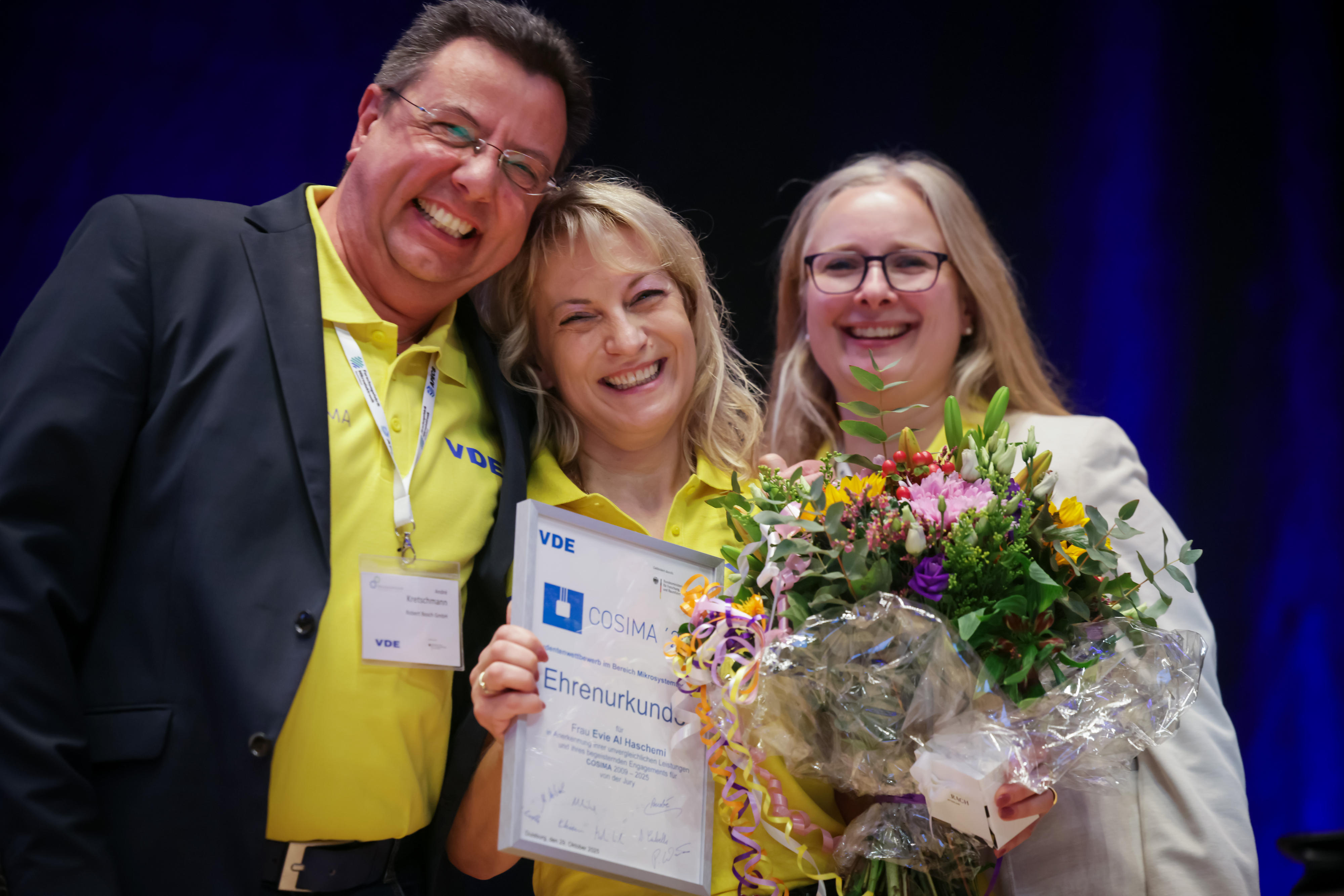
Unfortunately, this was the last competition for Evie Al Haschemi who had served as project manager at the VDE COSIMA Project Office from the very beginning. She was given a hearty farewell by her teams and the jury.

For the first time, the event “Discover Electrical Engineering—A Day in High-Tech Science” took place on Wednesday in parallel with the congress for high school students. Already in the morning, participants took the opportunity to experience expert presentations firsthand.
Dr. Markus Ulm provided insights into current developments in microsensor technology, while Dr. Tim Gutheit spoke about modern power electronics. Afterwards, the students gained their first hands-on experience in the UDE student lab.

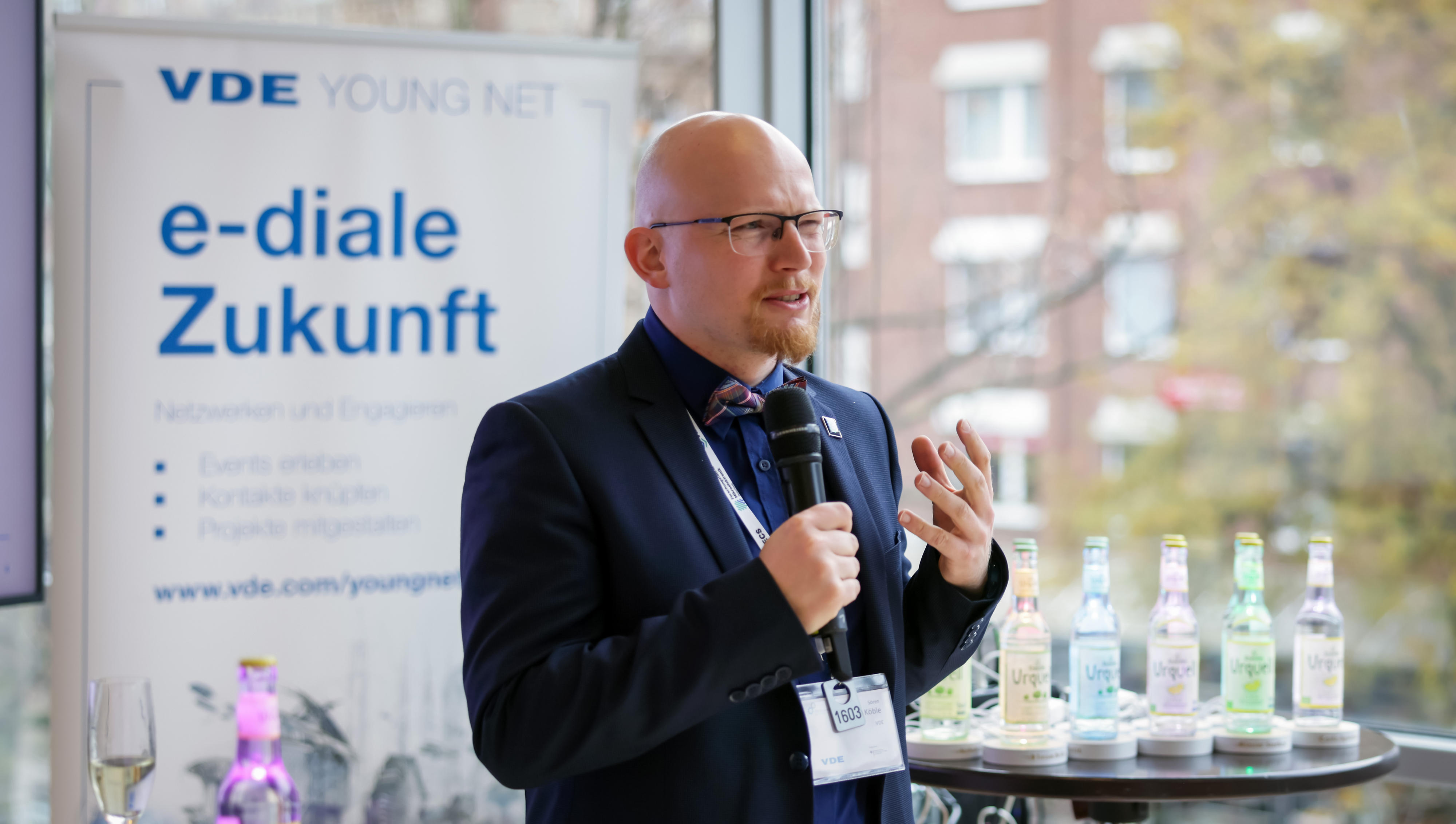
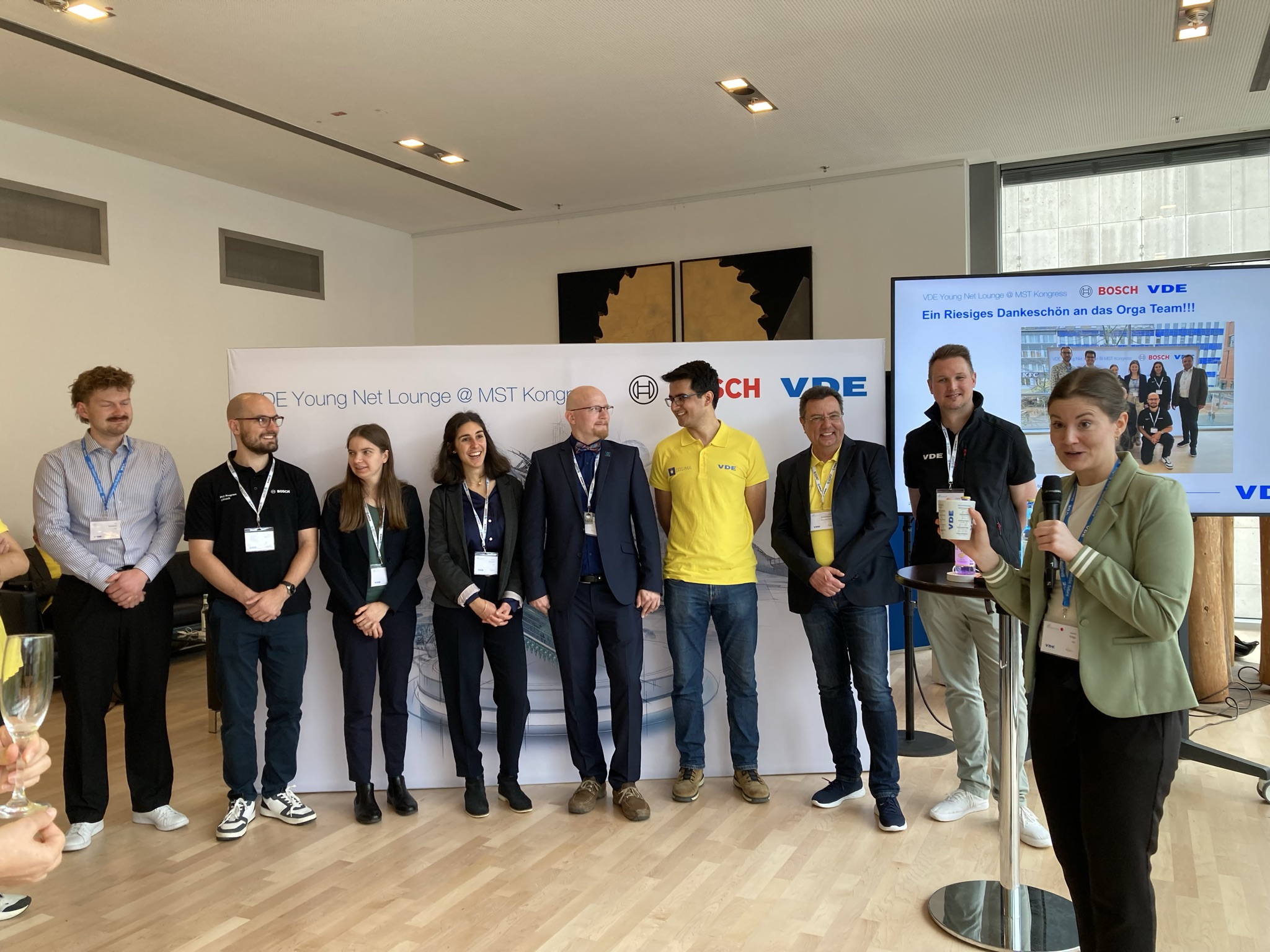
VDE Young Net Lounge sponsored by BOSCH

| Hannibal / VDE

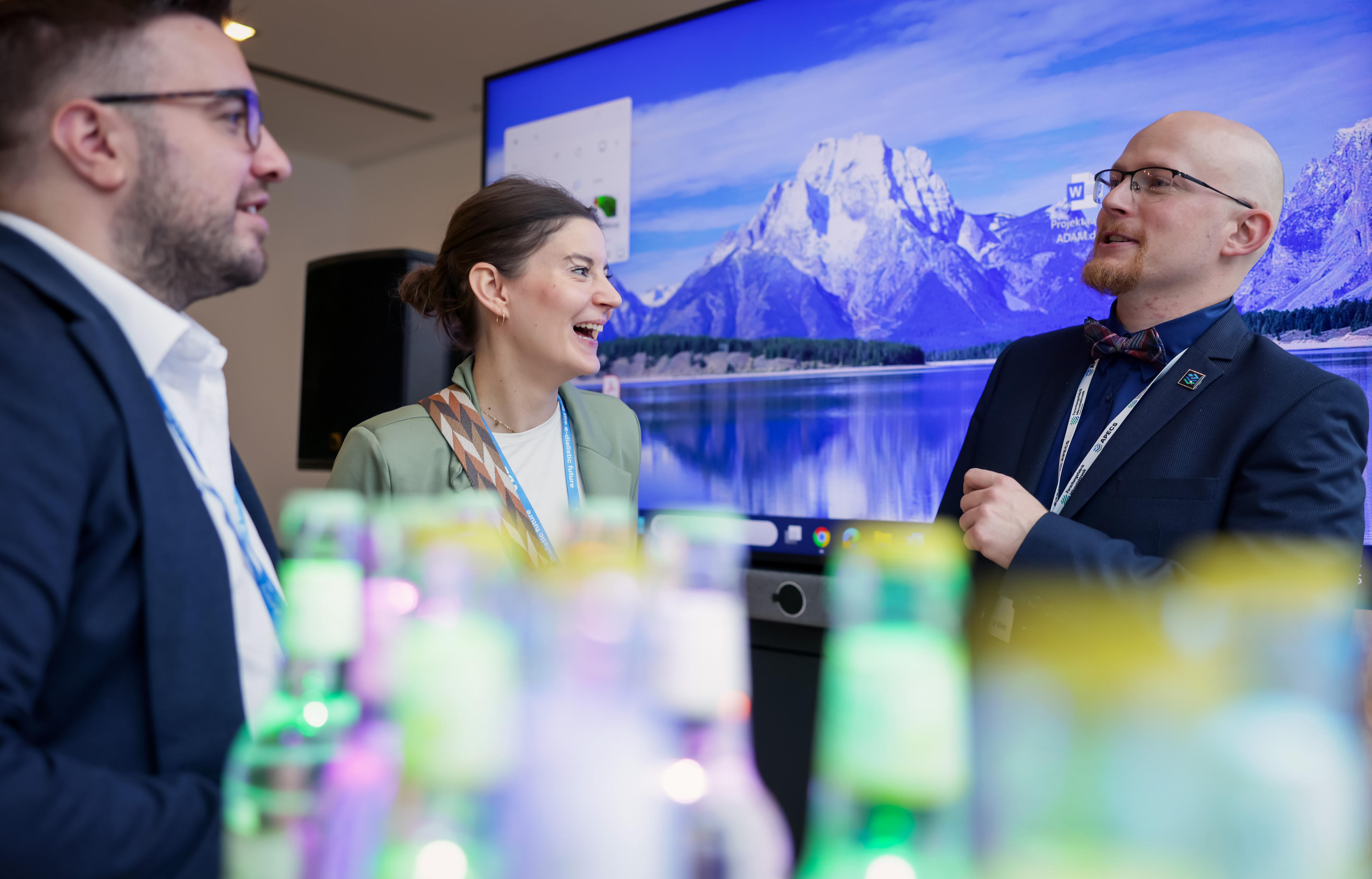
Youth Forum VDE and Young Net Lounge sponsored by BOSCH

Starting Monday morning, the VDE Young Forum gave students a look into the working world at KROHNE and Fraunhofer IMS in Duisburg. During the conference, the “VDE Young Net Lounge sponsored by BOSCH” provided an opportunity for networking and learning more about starting a career.

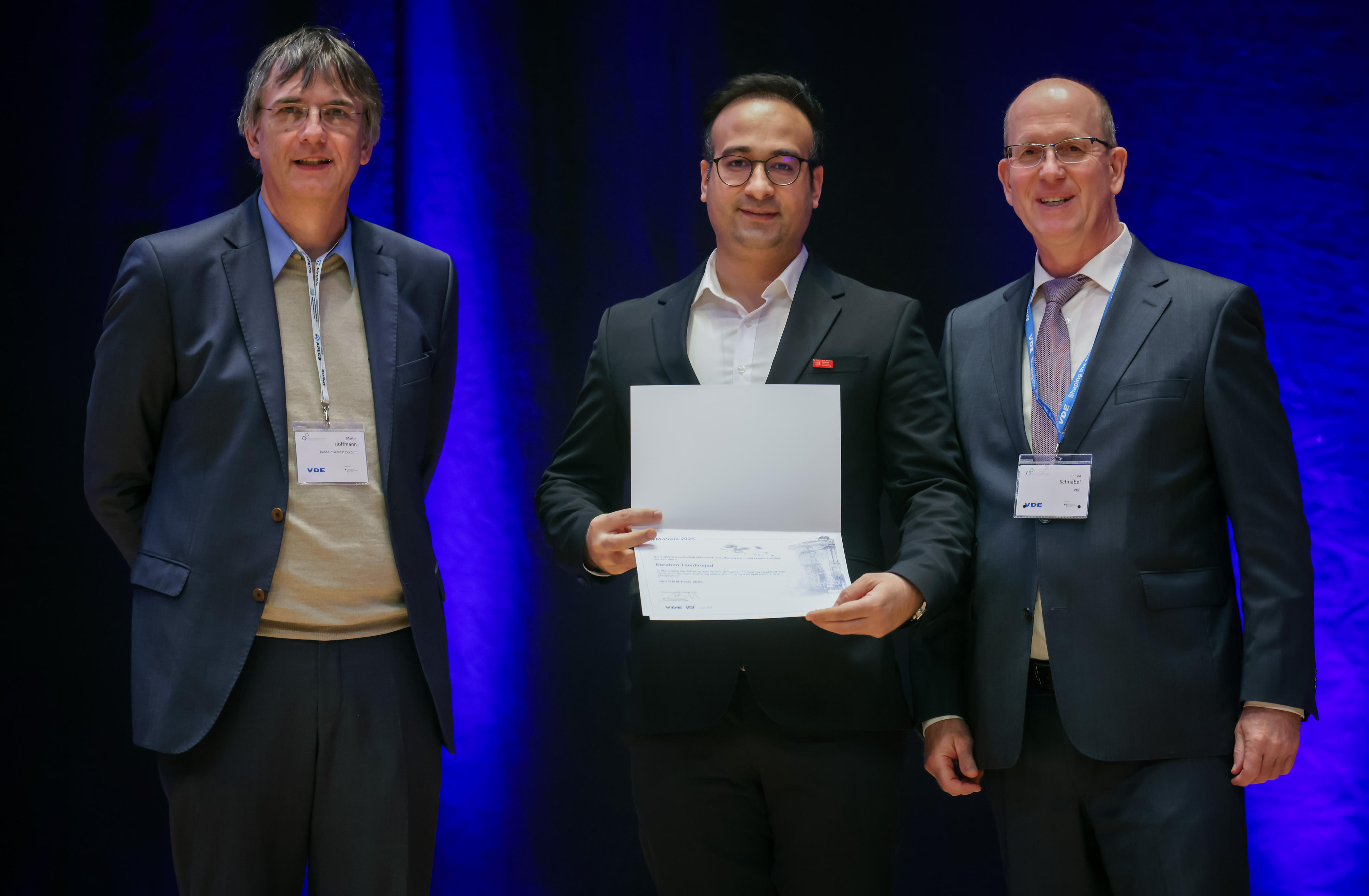
Dr. Tim Gutheit wird mit dem GMM Award geehrt

| Hannibal / VDE

Technical Highlights from the Overview Presentations

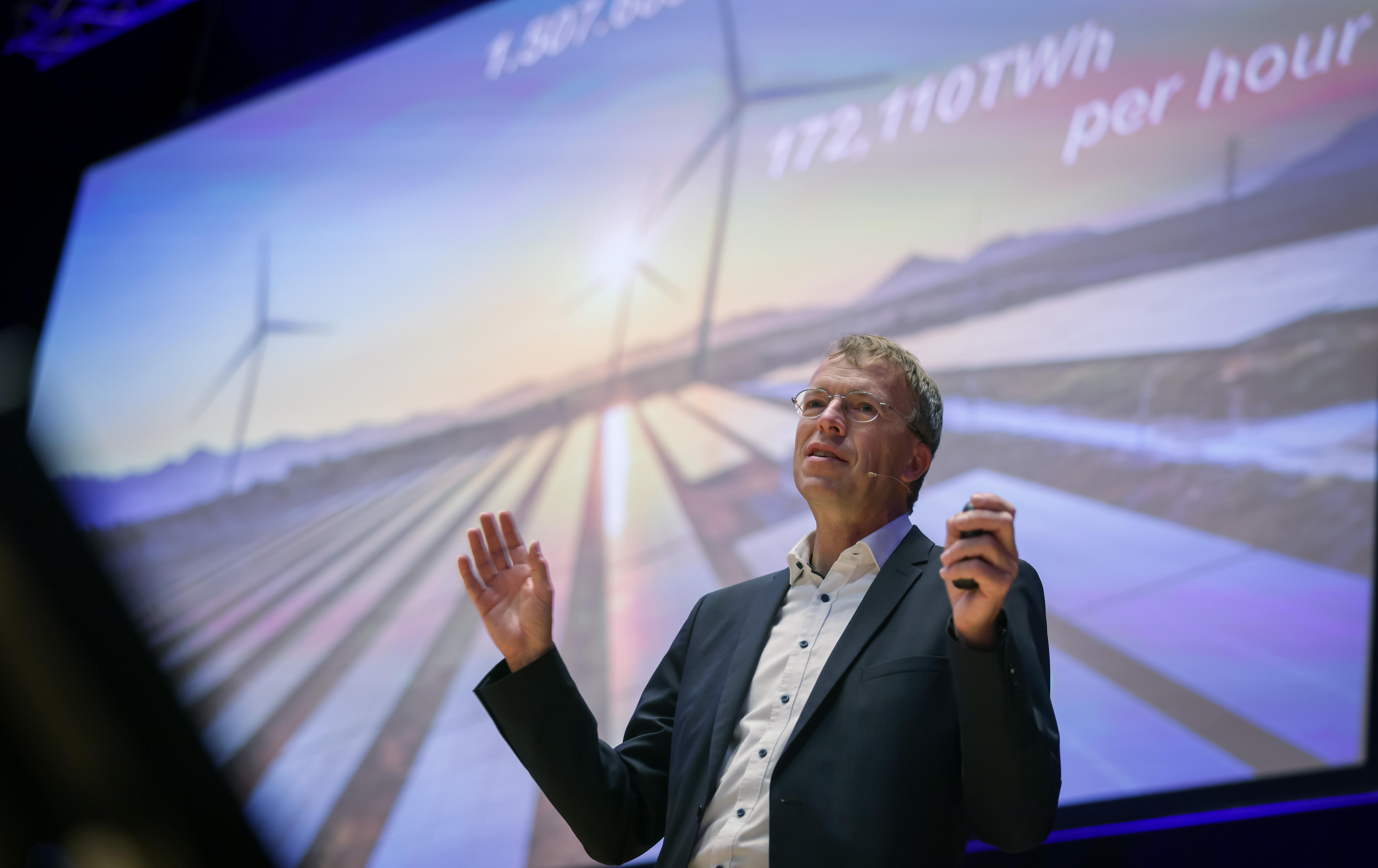
Prof. Dr. Müller-Groeling,  Executive Board Member of the Fraunhofer Society for Research Infrastructures and Digital Transformation e.V., emphasized the importance of scientific research infrastructures, using the Fraunhofer Institutes as an example. They play a central role in the “From Lab to Fab” process, but require continuous attention to keep them operational and constantly adapt them to technological developments. Like university research infrastructures, they are an important part of the innovation chain.

In his presentation titled “Microsystems Technology: A Success Story and Engine of Innovation for the Future,” Dr. Markus Ulm introduced the latest trends, designs, and applications of MEMS from Bosch. He demonstrated most impressively how far miniaturization has advanced in this field: Modern sensors are now so small that they can be integrated into smart rings, for example.

Dr. Tim Gutheit, who was subsequently honored with the GMM Award for his numerous achievements - including his work on the MikroSystemTechnik Congress- dedicated his presentation to the topic “Intelligent Power Electronics.” He made clear that today, high-performance electronic systems are essential for modern computing and data centers and, thanks to their high efficiency, contribute significantly to limiting growing energy demand.

Outlook for the Future: Microelectronics and Microsystems Technology must gain greater visibility

In these turbulent times, which pose major challenges for society, politics, business, and science, demanding a great deal of flexibility from them, the MikroSystemTechnik Congress served as an important platform for cross-disciplinary exchange among key players across all generations- from high school students and college students to established experts in the field. It became clear that microelectronics and microsystems technology must gain greater visibility in order to demonstrate their contribution to societal progress, especially for young people who are about to make career decisions.

MikroSystemTechnik Kongress 2025 Impressions

COSIMA 2025 - Impressions